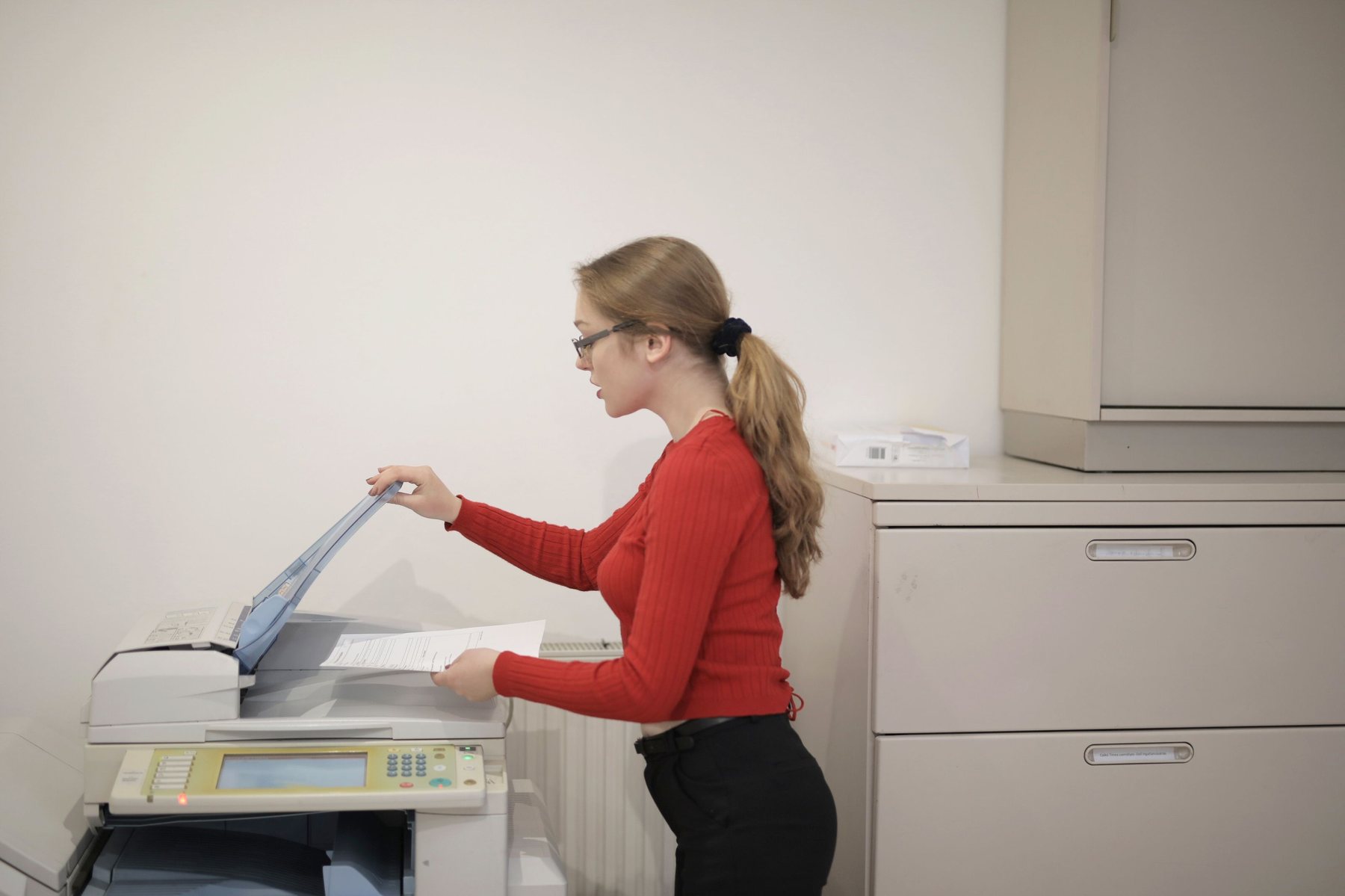
Terms such as renewed, refurbished, restored, certified used and open box are common in printer listings, but they are not always applied in exactly the same way. A careful buyer looks past the label and asks what work was actually completed.
Renewed
Renewed often describes a used or returned device that has been cleaned, inspected and tested for reliable operation. The process may include software resets, print-quality checks and replacement of selected wear items.
Refurbished
Refurbished is commonly used when a seller has completed a more structured restoration process. That can include repair, replacement of failed components, cleaning, calibration and final testing. The scope still varies by seller.
Restored or professionally restored
Restored generally suggests that a technician has returned equipment to a defined operating condition. Buyers should ask what standard was used, which parts were replaced and what warranty applies.
Open box
Open-box equipment may be unused, lightly handled, returned or simply missing perfect retail packaging. It should not automatically be treated as new. Confirm usage, included accessories and warranty.
Five details to request
- Exact condition grade and cosmetic notes.
- Total page count or meter reading where available.
- Print-quality test results and known defects.
- Included trays, cables, toner, drums and accessories.
- Warranty length, exclusions and return process.
When renewed equipment makes sense
Renewed equipment can be a strong choice when the model is serviceable, supplies remain available, the expected workload is realistic and the price leaves room for ongoing maintenance. It is less attractive when parts are scarce or the device is already near the end of its practical life.